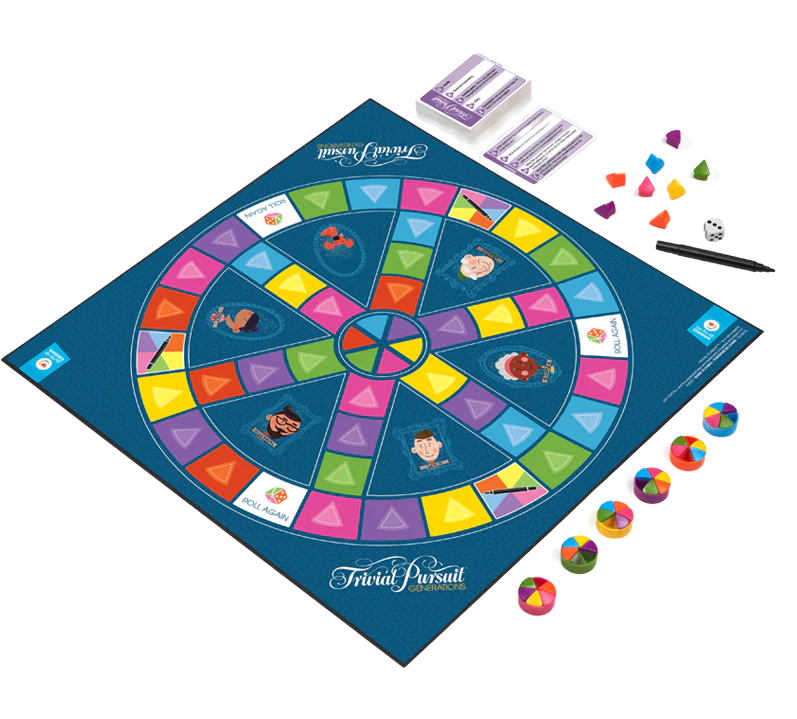
After many years teaching English university students, I’ve learned a universal truth: ESL learners engage more deeply when learning feels lively, social, and purposeful. One of the most effective activities I use to strengthen English thinking, listening, and speaking skills is a team-based trivia game. It’s flexible, fun, and incredibly powerful. Sometimes, the classroom reminds of a time when Trivial Pursuit was all the rage.
If you’re searching for ESL classroom activities that boost fluency, encourage teamwork, and motivate learners without heavy preparation, a trivia game might become your new anchor strategy. It works across proficiency levels, supports academic English, and keeps students talking naturally.
And here’s an important note: all the trivia questions can be written to be culturally neutral, avoiding region-specific trivia or pop-culture references that only certain students might know. This ensures every learner—from any country—has a fair chance to participate and succeed.
Why Trivia Games Work in ESL Classrooms
Trivia is more than entertainment—it’s a dynamic, skill-building ESL activity that supports all major language domains. Students focus on the game itself, not on the idea of “doing English,” yet they use English constantly and authentically.
1. Trivia builds English thinking skills
Many second-language learners translate silently before answering. This slows down communication and reduces classroom participation. Trivia questions require students to process information quickly, helping them begin thinking directly in English.
Questions such as “How many hours are in a day?” or “What is the largest animal on land?” push students to respond without relying on translation.
2. Trivia strengthens active listening
Every round gives students multiple listening opportunities:
- Listening carefully to the teacher’s question
- Listening to teammates’ ideas
- Interpreting language quickly
- Negotiating final answers
These skills transfer directly to real academic and professional scenarios—lectures, group presentations, and workplace discussions. Trivia is one of the easiest ways to build these skills in a natural, low-pressure setting.
3. Trivia encourages confident speaking
ESL students often hesitate to speak if they fear judgment or embarrassment. The team-based format removes that pressure. Students contribute ideas, debate lightly, and deliver group answers with confidence.
Because answers are short and discussions are fast, even shy learners speak more than they would in a traditional speaking activity.
Get trivia
The Monster Pack comes with 480 trivia questions which are ideal for English learners. Level sorted and cultural relevant to students around the world.
No questions here about the Beatles’ first drummer.

A Four-Category Structure That Works for Global Classrooms
A well-balanced trivia sheet includes categories that build a wide range of vocabulary skills without depending on country-specific or culture-specific knowledge. The four recommended categories are intentionally global-friendly, meaning any student, anywhere in the world, can participate confidently.
1. Science & Math
This category focuses on universal facts that all students encounter during their schooling. These questions help students practice describing, explaining, and defining.
Examples of culturally neutral topics:
- Basic astronomy (sun, moon, planets)
- Simple physics concepts (light, gravity)
- Classroom math (shapes, numbers, measurement)
These questions strengthen academic English and logical thinking.
2. Social Sciences
This category covers geography, history basics, and general human behavior—areas that are not tied to one nation’s politics or pop culture.
Examples:
- Continents and oceans
- Simple historical inventions
- Introductory psychology vocabulary
The goal is to build essential academic English used in global university classrooms.
3. English, Time & Culture
This section helps students connect language to everyday concepts without referencing specific countries or traditions. Think vocabulary about time, seasons, books, simple idioms, and general cultural practices found worldwide.
Examples:
- Days of the week
- Common English expressions
- Famous international literature or folktales
Nothing here requires local cultural knowledge, making it accessible to all learners.
4. Arts & Entertainment
Instead of country-specific celebrities or niche pop-culture trivia, this category focuses on universal creative fields: visual art, musical instruments, storytelling traditions, and well-known global works.
Examples:
- Name of a common musical instrument
- Identifying art forms (painting, sculpture)
- Recognizable stories from world literature
This keeps the activity fun without disadvantaging students from different backgrounds.
How to Run the Trivia Game in Your ESL Classroom
The setup is simple and doesn’t require technology, special tools, or heavy preparation.
1. Form small teams
Pairs or small groups of three ensure everyone speaks and listens actively.
2. Introduce a flexible point system
Offer one point for easy questions, two for medium questions, and three for harder questions. This adds strategic thinking and keeps students invested.
3. Read questions aloud for listening practice
Students must listen carefully, process the language, and discuss quickly.
4. Require English-only discussion
A simple rule—“English only during discussion”—dramatically boosts speaking practice.
5. Keep rounds quick and energetic
Fast pacing keeps the room alive and encourages spontaneous speaking.
Why Students Love This ESL Trivia Game
Team-based trivia injects energy into the ESL classroom. Students collaborate, negotiate, and think out loud—all in English. The activity strengthens listening comprehension, boosts English processing speed, and builds fluency through real conversation.
Most importantly, trivia feels inclusive when designed well. Because all questions are neutral, globally accessible, and tied to universal knowledge, students from any background can participate confidently and feel successful.
For teachers, trivia is a low-prep, high-impact technique that enhances engagement, builds community, and creates a lively atmosphere where English learning feels natural and enjoyable. Whether you teach teenagers, university students, or adults, this flexible game brings communication to life—and gets your students speaking more English than you might expect.